Style 01
Western Riding
Western riding was developed for the needs of working ranchers and cowboys, with an emphasis on comfort, versatility, and a relaxed partnership with the horse.
Tack & Equipment
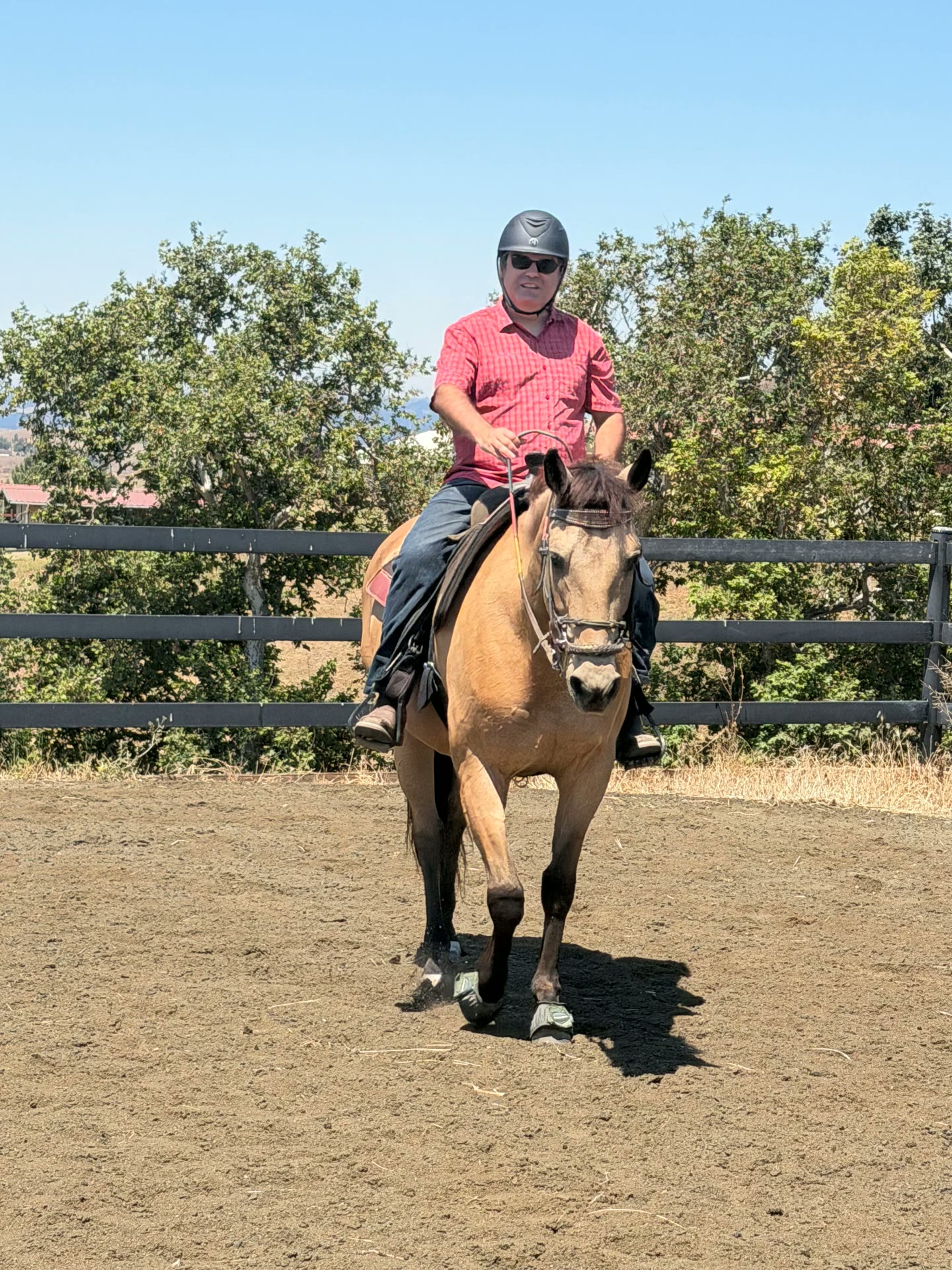
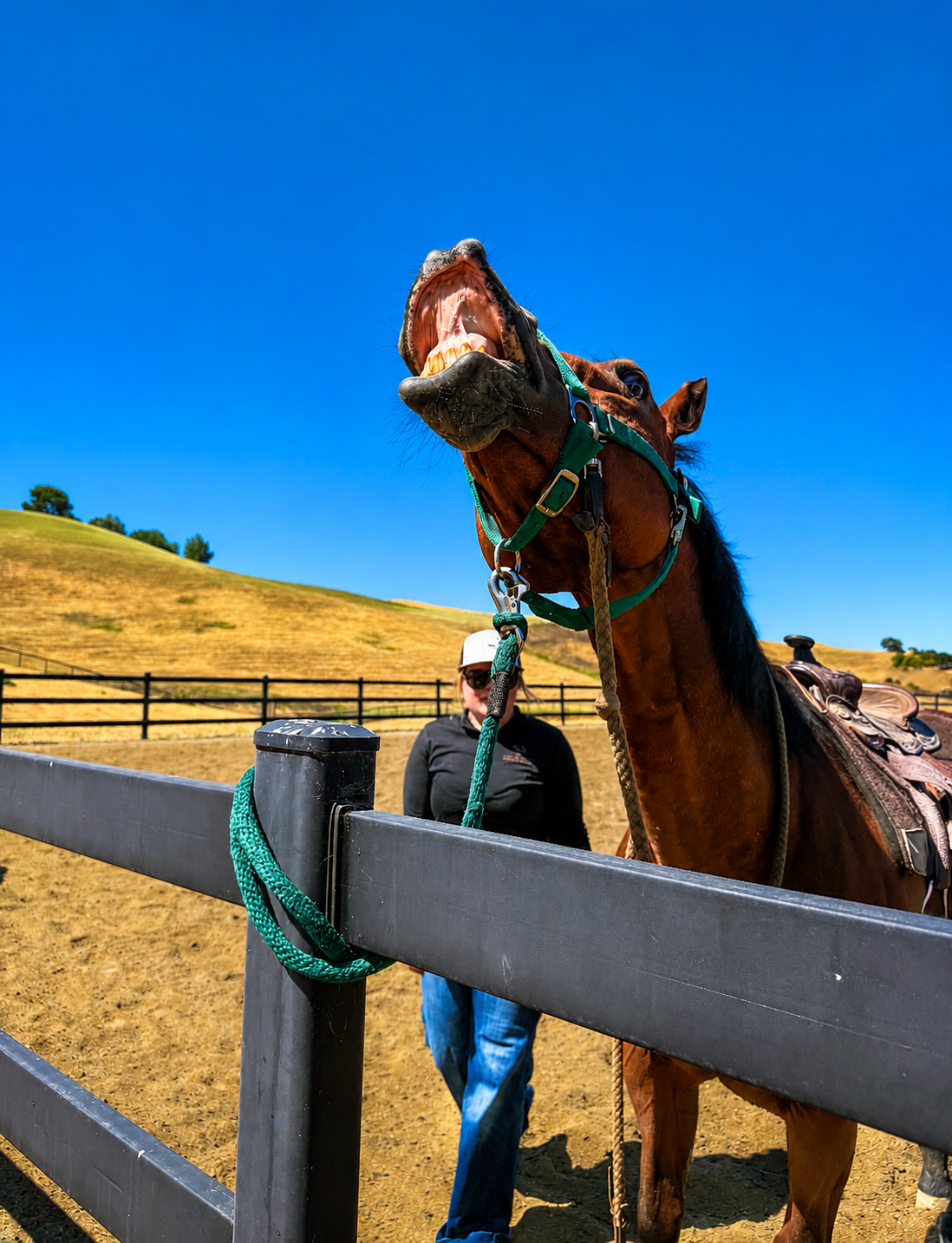
- Saddle: Designed for comfort and utility, with a larger, deeper seat and a substantial saddle horn. Heavier and supportive during long hours of work.
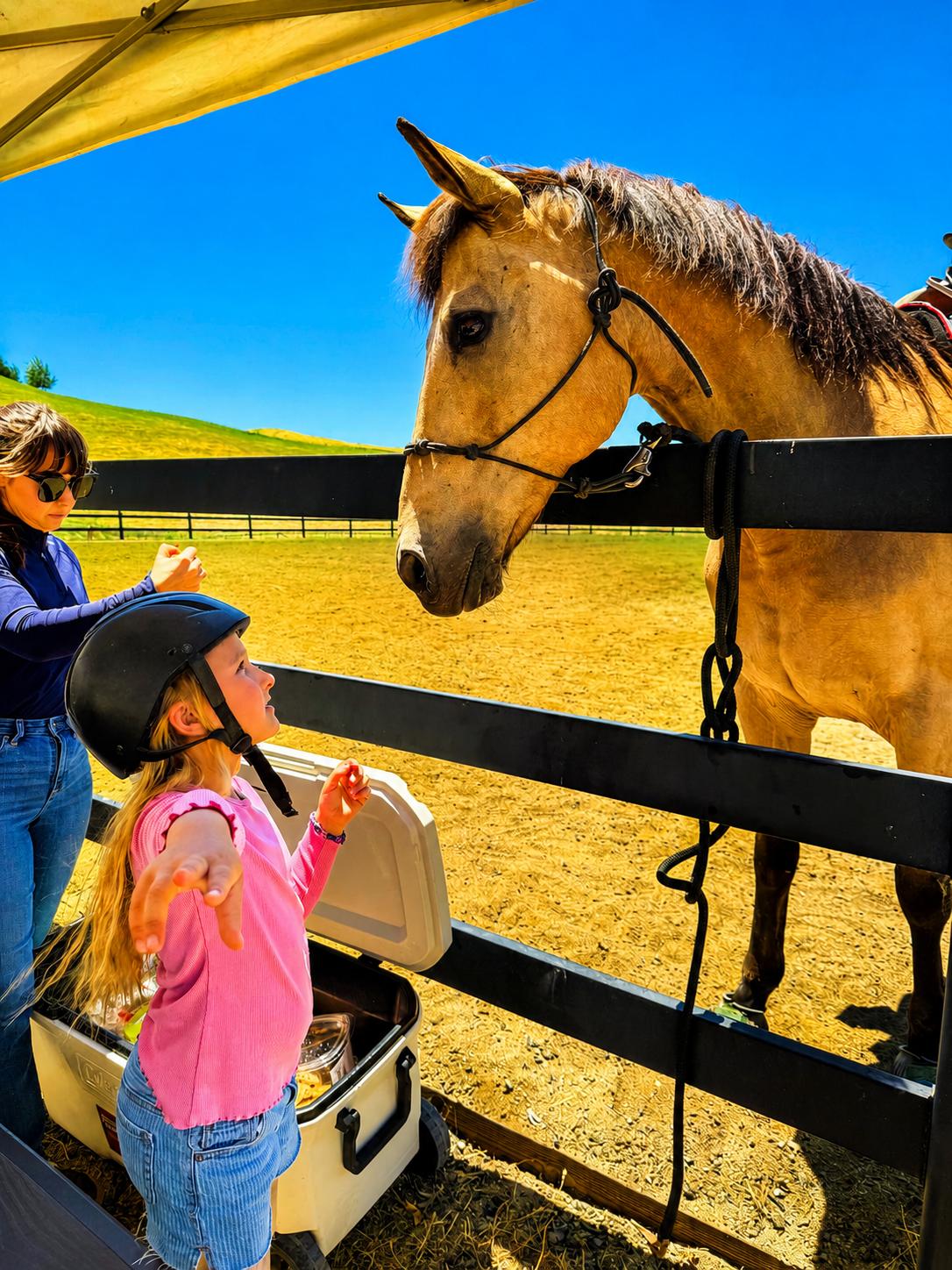
- Bridle: Usually without a noseband and often using a curb bit. Designed for neck reining.
- Other Equipment: Chaps, spurs, and cowboy hats are common when showing or riding out in pastures.
Riding Style & Techniques
- Seat & Posture: Riders sit deep in the saddle with a relaxed posture, weight centered and balanced. Legs hang directly down from the hips.
- Neck Reining: Guiding the horse by laying the reins against its neck.
- Direct Reining: Using both hands on either side of the reins to steer left or right.
- Speed Control: Western horses respond to subtle cues, often with minimal rein contact.
- Disciplines: Cutting, reining, barrel racing, and roping.
Common Horse Breeds
- American Quarter Horse: Known for speed and agility over short distances.
- Paint Horse: Valued for its color, markings, and athleticism.
- Appaloosa: Distinctive spotted coat pattern and versatility.
Training & Competitions
- Western Pleasure: Judging calmness, smoothness, and obedience in a slow, easy-going ride.
- Trail Classes: Navigating obstacles found on a trail.
- Rodeo Events: Barrel racing, bull riding, and calf roping.
Culture & Heritage
Western riding is more than a style — it's a significant part of American heritage, deeply intertwined with the history of cowboys and ranchers and celebrated in rodeos, films, and riding clubs.